
Religion in Ghana: share of the population
Ghana's population is 71.3% Christians, 19.9% Muslims, 7.8% followers of other religions and 1.1% religiously unaffiliated people.
In 2010, Ghana's population was 71.1% Christians, 17.7% Muslims, 6.0% followers of other religions and 5.3% religiously unaffiliated people. The share of Christians in Ghana is the 24th highest of the 54 countries of Africa, where it ranges from Somalia's 0.0% to Zambia's 98.3%.
Religious groups in Ghana
| Religious group | Share, 2010 | Share, 2020 | Change, points | Estimated people, 2020 |
|---|---|---|---|---|
| Christians | 71.1% | 71.3% | +0.2 | 22.7M |
| Muslims | 17.7% | 19.9% | +2.2 | 6.34M |
| Other religions | 6.0% | 7.8% | +1.8 | 2.48M |
| Religiously unaffiliated | 5.3% | 1.1% | −4.2 | 341K |
| Hindus | 0.0% | 0.0% | +0.0 | 0 |
| Buddhists | 0.0% | 0.0% | +0.0 | 0 |
| Jews | 0.0% | 0.0% | +0.0 | 0 |
Religion in Ghana and its neighbors
-
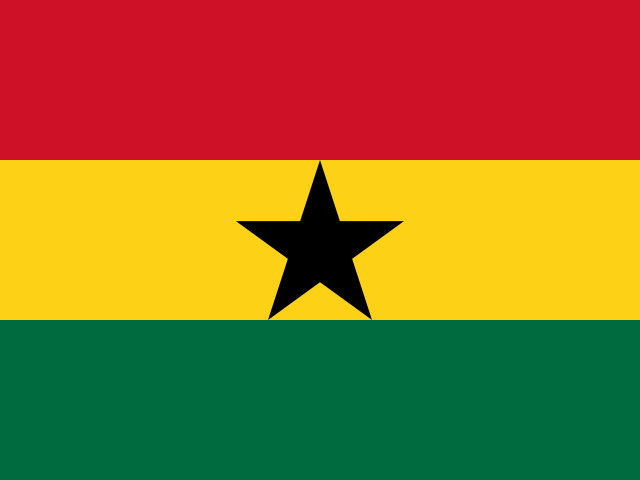 Ghana
Christians 71.3% · Muslims 19.9% · Other religions 7.8%
-
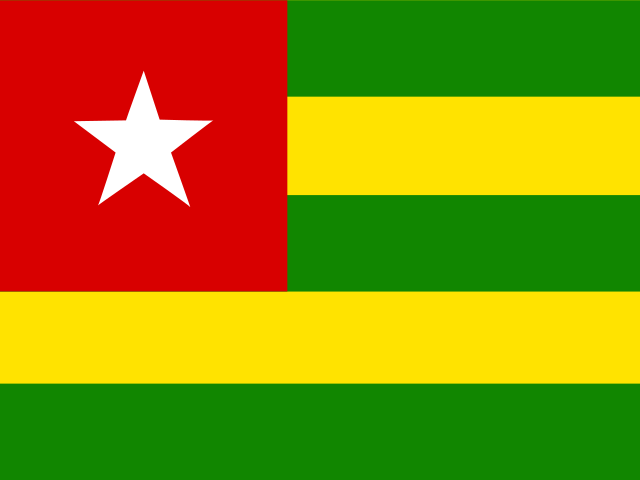 Togo
Christians 56.9% · Other religions 19.0% · Muslims 16.1%
-
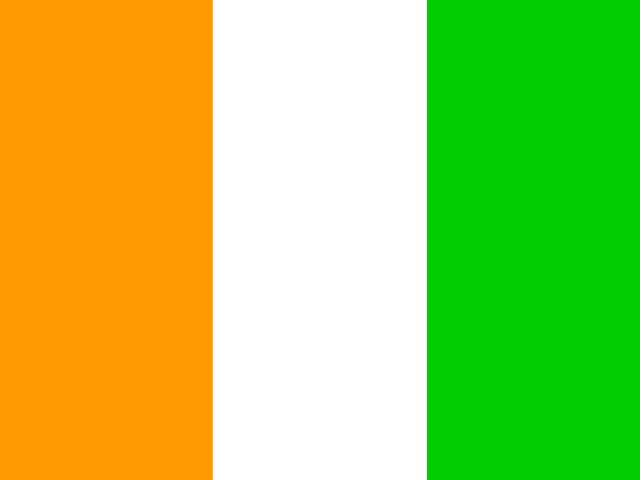 Ivory Coast
Muslims 46.3% · Christians 44.9% · Religiously unaffiliated 5.6%
-
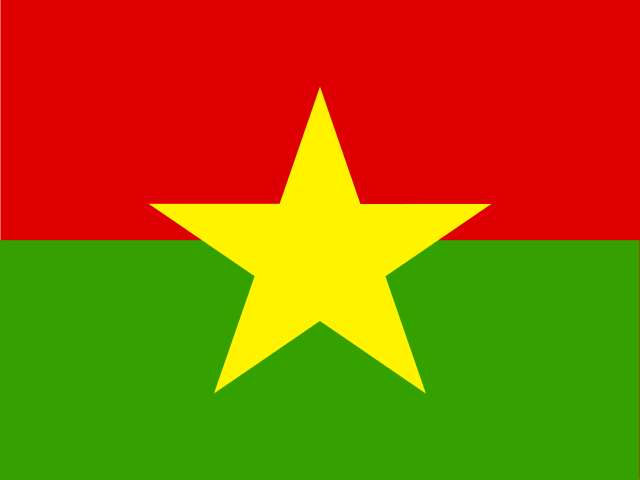 Burkina Faso
Muslims 67.4% · Christians 28.0% · Other religions 4.0%
Of Ghana and its three neighbors, the largest group has the highest share in Ghana (71.3% Christians) and the lowest in Ivory Coast (46.3% Muslims). As in Ghana, the largest group is Christians in one of the other three countries.
Compare religion in Ghana with other countries
Sources:
- Pew Research Center (2010–2020, updated October 2026)
- World Bank | Health (2020, updated October 2026)
Creative Commons Attribution (CC BY): you may copy, share, adapt and reuse this content, also commercially, as long as you credit statistics.wiki and note any changes you made. The sources listed above may have their own license terms.