
Nepal vs China: ethnic groups, share of the population
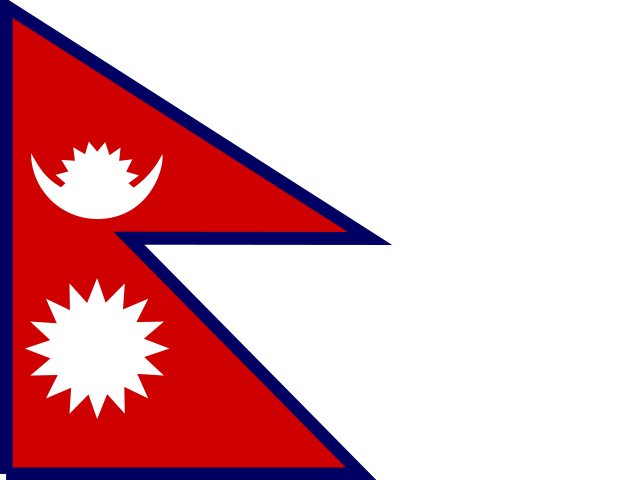 Nepal
Census data reported to the UN in 2023
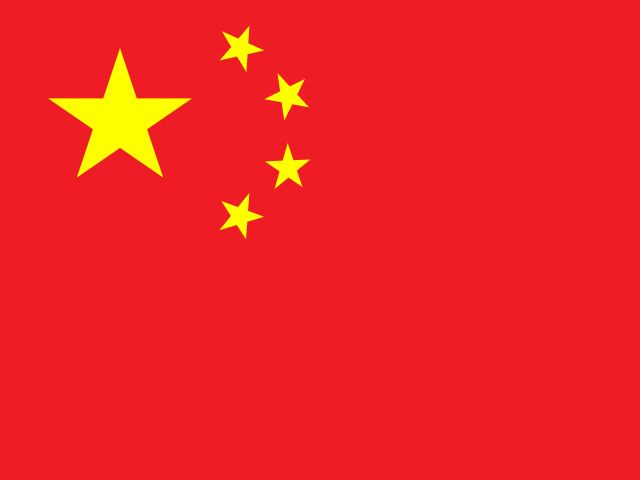 China
Census data reported to the UN in 2024
In the census data reported to the UN, the largest ethnic group is Kshetri in Nepal (16.4%, 2023) and Han in China (91.1%, 2024). The tables of Nepal and China have no group in common.
Nepal vs China: census tables of ethnic groups
Ethnic groups in Nepal and nearby countries
-
Nepal
(2023)
Kshetri 16.4% · Brahman (hill) 11.3% · Magar 6.9%
-
China
Han 91.1% · Zhuang 1.4%
-
 Tajikistan
(2012)
Tajik 84.3% · Uzbek 12.2% · All other 1.7%
-
 Kyrgyzstan
(2017)
Kyrgyz 70.9% · Uzbek 14.3% · Russian 7.8%
-
 Laos
(2009)
Lao 54.6% · Khmu 10.9% · Hmong 8.0%
-
 Sri Lanka
(2016)
Sinhalese 74.9% · Sri Lanka Tamil 11.1% · Sri Lanka Moor 9.3%
Ethnic groups in China and its neighbors
-
China
(2024)
Han 91.1% · Zhuang 1.4%
-
 Mongolia
(2021)
Khalkh 83.8% · Kazak 3.8% · Dorvod 2.6%
-
 Russia
(2013)
Russian 80.8% · Tatar 3.9% · Ukrainian 1.4%
-
 Kazakhstan
Kazak 70.4% · Russian 15.6% · Uzbek 3.2%
-
Nepal
(2023)
Kshetri 16.4% · Brahman (hill) 11.3% · Magar 6.9%
-
 Vietnam
(2020)
Kinh 85.3% · Tay 1.9% · Thai 1.9%
-
Kyrgyzstan
(2017)
Kyrgyz 70.9% · Uzbek 14.3% · Russian 7.8%
-
Tajikistan
(2012)
Tajik 84.3% · Uzbek 12.2% · All other 1.7%
-
Laos
(2009)
Lao 54.6% · Khmu 10.9% · Hmong 8.0%
Of Nepal and the five nearby countries, the largest group has the highest share in China (Han, 91.1%) and the lowest in Nepal (Kshetri, 16.4%); of China and its eight neighbors, the largest group has the highest share in China (Han, 91.1%) and the lowest in Nepal (Kshetri, 16.4%).
Compare the ethnic groups of any 2 countries
Sources:
- United Nations | Demographics & Social Statistics (2009–2025, updated October 2026)
Creative Commons Attribution (CC BY): you may copy, share, adapt and reuse this content, also commercially, as long as you credit statistics.wiki and note any changes you made. The sources listed above may have their own license terms.